
Kitchen Cabinet Quote Comparison
Compare Silver Spring kitchen cabinet proposals with a dated schedule, exception register, component audit and qualified cost estimates.
Bring your project details together before considering a cabinet purchase.
Send my cabinet inquiry
Or call (562) 203-3232. Calls only, we do not receive text messages.
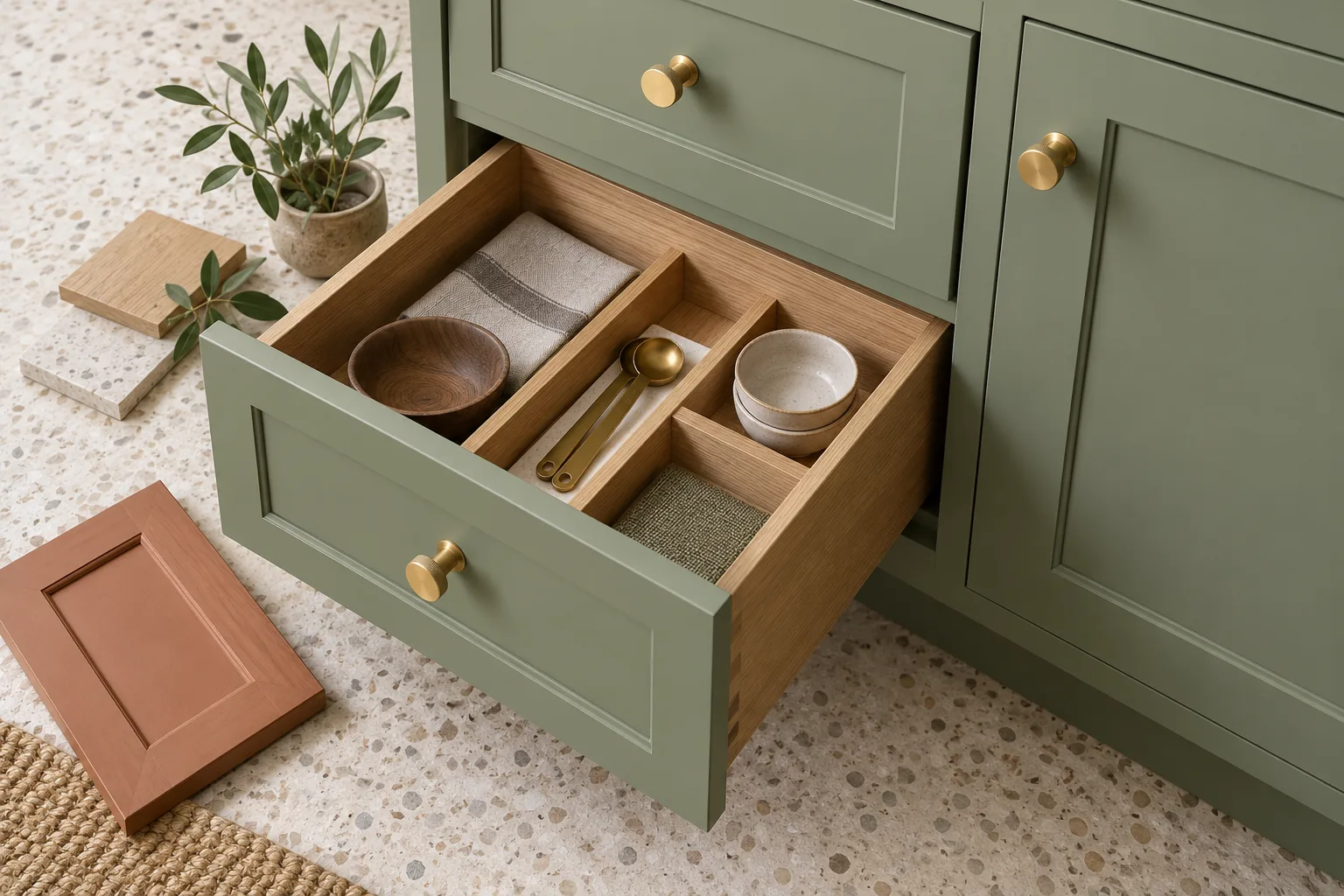
Cabinet buying services in Silver Spring involve decisions that can stall one another. Price comparison is premature when the box list keeps changing; packaging selection is premature when assembly responsibility is unknown. Silver Spring Cabinet Avenue organizes six preparation guides around the question holding up your project, helping you create a useful document before the next purchasing conversation.
Use this hub as a working route through the articles. It describes preparation tasks you can perform rather than labor included with products. Inquiry details reach the owner for review. Any potential referral requires your permission and an outside recipient agreeing to consider the specific project; the form does not reserve a supplier.
About Silver Spring Cabinet Avenue
Independent cabinet buying information and quote-request service. We do not manufacture, stock or install cabinets. A referral, supplier response, appointment or purchase is not guaranteed. Product availability, delivery and installation must be confirmed directly with the seller or separately engaged contractor.
Every service
Compare Silver Spring kitchen cabinet proposals with a dated schedule, exception register, component audit and qualified cost estimates.
Prepare a Silver Spring cabinet order using measured room constraints, appliance records and a versioned layout for seller review.
Compare RTA and assembled cabinets in Silver Spring by packaging, assembly tasks, workspace needs and the complete purchase scope.
Check Silver Spring vanity quotes for cabinet dimensions, sink compatibility, plumbing clearance and separately priced components.
Organize Silver Spring cabinet packages by property, unit schedule, substitutions and release authority before comparing written quotes.
Plan Silver Spring cabinet handoffs with a carton inventory, receiving contacts, storage notes and written delivery responsibilities.
Write your next decision in one sentence before choosing an article. “We need comparable proposals” points to kitchen quote comparison. “We cannot determine the usable opening” points to layout preparation. “We know the boxes but not the shipping format” points to RTA and assembled options. Naming the blockage keeps browsing from becoming another style selection session when the problem is missing information.
A hypothetical buyer replacing only lower cabinets may not need an entirely new kitchen plan. The useful task could be documenting retained upper units, required base openings and finish compatibility. A buyer relocating appliances needs a dependable room record before requesting final prices. Give each task an output: drawing, inclusion list, responsibility note or receiving plan. The guides are useful when they help produce something a seller can answer. Terminology alone cannot resolve a purchase, and reading an article does not establish that a selected contact offers the work you need.
The kitchen quote article organizes competing offers; the layout preparation article examines inputs that make the quantities meaningful. Read both when a proposal changes the arrangement from your sketch. A lower figure cannot be interpreted until you know whether the offers solve the same room problem. Start with the drawing version referenced by each proposal, rather than assuming the latest version was used.
Label the proposed cabinet positions and cross-reference them to quoted items. If a seller suggests a substitution, record its reason and consequences for adjacent fillers, panels and clearances. IKEA’s planning preparation guidance supports gathering room and appliance measurements, while these worksheets are editorial techniques. They do not provide field measurements. Have the party responsible for ordering validate critical dimensions. Avoid approving a product change merely because a preliminary rendering accommodates it. Carry forward the revised item list only after the actual room constraints and proposed configuration have been reconciled.

The RTA and assembled guide addresses where assembly happens and who carries its effort. One order may leave you with parts that must become boxes; another may arrive as completed boxes needing protected space. Ask about the specific manufacturer’s instructions, carton details and scope rather than using either format as a universal quality ranking.
Packaging also affects the schedule discussed with independently engaged installers. A hypothetical household assembling on weekends needs to consider whether missing pieces could interrupt that plan. Another household with limited staging space should investigate how larger boxes will be received. Neither scenario describes a verified Silver Spring property mix. Use your available workspace, measured access route and willingness to manage the task. A price for packaged products does not demonstrate that tools, assembly labor or corrections are included. Write down the work owner for each step so a shared assumption does not become an unattended responsibility after purchase.
The vanity article concentrates on the purchase bundle: cabinet, top, sink, hardware and compatible openings. A photograph can show a complete bathroom while a proposal sells only the cabinet. List the pictured components and identify which are actually quoted. This matters when retained fixtures or a plumbing position constrain your replacement, because appearance alone cannot confirm component compatibility.
The contractor package article solves another issue: keeping similar rooms from becoming one ambiguous quantity. Assign each room a label and specify who may approve revisions. Repeated layouts can still contain mirrored units, different finishes or appliance exceptions. Preserve those distinctions in the comparison. These guides do not establish trade-account eligibility or acceptance of professional buyers. Ask the intended seller whether it accepts your project before discussing its documented order procedure. A quantity schedule is a way to communicate requirements; it is not evidence that a seller provides a discount, credit terms or a package matching those requirements.

The hub’s cost worksheet should track uncertainty as work progresses. Before measuring, leave quantities open. Once a layout is checked, collect product-only estimates. After choosing a format, add the actual assembly scope. When the access route is documented, request transport terms fitting that route. Show which rows have supporting proposals and which remain assumptions, with dates next to figures.
For example, a hypothetical vanity buyer may settle cabinet size while the top remains undecided. Treating the unknown top as zero falsely lowers the apparent project total. Mark it unresolved. Estimates based on incomplete selections remain subject to change. Obtain a written quote confirming the chosen scope before committing. FTC advice supports clear written home improvement estimates; use that discipline for product proposals and separately engaged labor. Do not present an article’s worksheet as measured Silver Spring market pricing. Keep optional choices visible so reducing cost remains a conscious scope decision rather than an accidental omission.
The delivery article becomes relevant before ordering, not only when a truck is expected. Assign a receiver, identify the handoff requested and ask what the proposed transport charge covers. If installation is later than product arrival, name the storage responsibility and confirm that arrangement. An approximate project calendar should expose those gaps instead of concealing them.
Keep the six-guide packet compact: room drawing, product schedule, component checklist, work assignments, revision history and receiving record. Combine documents where useful, but keep decisions visible. Montgomery Planning includes Silver Spring in its East County community grouping; actual project conditions still come from the individual address. Take the packet to your chosen contacts. If using this site’s form, describe the unresolved buying question so the owner can review it. Sharing beyond owner review requires consent and acceptance, and no article or submission establishes a delivery slot. Keep the packet updated when an independently selected party confirms a detail.
Inquiry process
Sending an inquiry does not reserve products or book work.
Include project ZIP, room, approximate cabinet list and preferred timing.
Identify assembly, access, measurements and any separately arranged labor.
An inquiry can be referred only if a suitable seller accepts the location and product request.
Confirm the final drawing, itemized price, payment, delivery and return terms directly before ordering.
Questions
Use the kitchen comparison guide to reconcile item lists. If sizes or positions explain the difference, revisit layout preparation before assessing prices. Similar totals can also hide different scopes, so the list comparison remains useful even when figures are close.
Pickup still requires transport planning. Ask about loading responsibility, carton measurements, vehicle suitability and inspection terms, then document the route to protected storage. “Pickup” identifies a handoff choice without settling the work on your side.
Read vanity purchase comparison. Its component checklist separates the cabinet from the top, sink, hardware and other items. Mark included and excluded components explicitly so an attractive complete-room photograph does not define an incomplete proposal.
They explain preparation and comparison tasks. Labor and product handling require agreements with the parties responsible. The owner reviews inquiries submitted here, and potential outside sharing follows permission and acceptance rather than an automatic dispatch.
Local buying information
Describe the purchase and project ZIP in Silver Spring. Supplier acceptance and any referral are confirmed separately; no visit or quote is booked by this form.
Calls only, we do not receive text messages.