Cabinet Buying Near Silver Spring, MD
Bring your project details together before considering a cabinet purchase.
Send my cabinet inquiry
Or call (562) 203-3232. Calls only, we do not receive text messages.
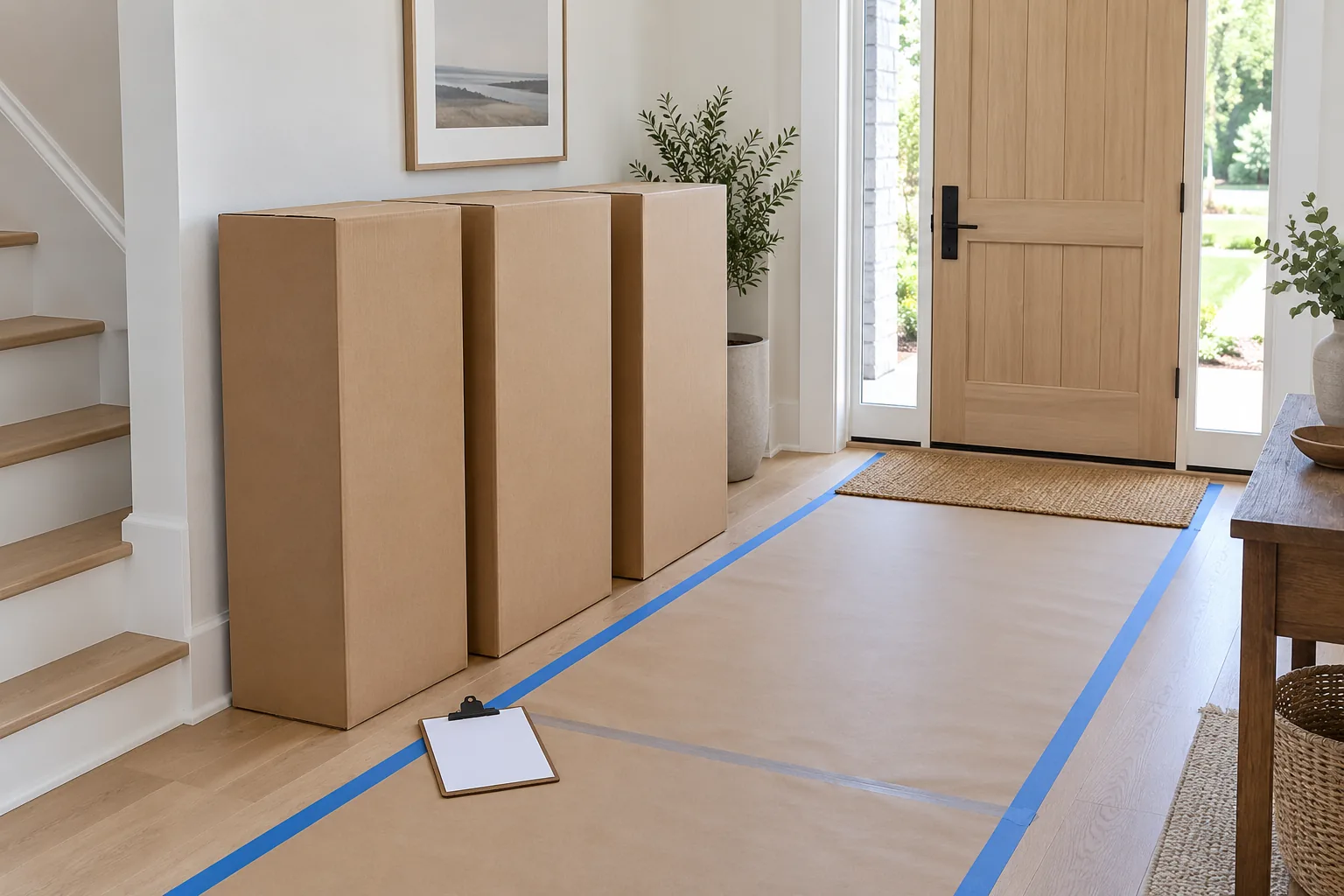
Cabinet buying near Silver Spring benefits from a separate location page in your project folder. Silver Spring Cabinet Avenue links guides for Wheaton, Takoma Park and White Oak to help distinguish the address you are buying for from broad planning descriptions. Those descriptions cannot settle product fit, receiving arrangements or a seller’s willingness to handle an order.
- Independent buying guidance
- Product inquiries
- Seller availability confirmed separately
Project location changes the buying questions
Prepare an address record, a room schedule and a receiving note before treating an offer as deliverable. Community articles supply questions rather than a roster of accepting sellers. Details submitted here are recorded and reviewed by the owner; another recipient receives them only with your consent and after accepting the actual inquiry.
About Silver Spring Cabinet Avenue
Know who handles each part
Independent cabinet buying information and quote-request service. We do not manufacture, stock or install cabinets. A referral, supplier response, appointment or purchase is not guaranteed. Product availability, delivery and installation must be confirmed directly with the seller or separately engaged contractor.
Local buying information
Local buying guides
Make a map of evidence rather than assumed coverage
Montgomery Planning’s East County information groups Silver Spring with nearby communities including Wheaton, Takoma Park and White Oak. That is the basis for these reading links. It does not establish a cabinet vendor’s territory, a transport rate or a property’s construction. Acceptance of an exact delivery address remains a commercial question for a proposed seller.
Create two columns on the address record: public context and project confirmation. The first can contain the community name and planning source. The second contains facts you have checked, such as destination, responsible receiver and applicable instructions. A public plan stays in the first column even when it discusses housing. It does not move into the second because its map covers your area. This separation is useful when relatives, planners and sellers use different locality names during conversations. Resolve the naming question with the actual address, then use the project-confirmation column to communicate the facts needed for the purchase.
Read Wheaton through the present property
The Wheaton article begins with Montgomery Planning’s activity-center description where Georgia Avenue meets University Boulevard and Veirs Mill Road. The supplied research observed the Wheaton Plan during a visioning phase. Future housing ideas from that process do not establish what has already been built or what room you are furnishing today.
Describe the existing project independently. Put the actual room dimensions, property type and receiving party in the inquiry instead of writing only “near Wheaton.” If it concerns a managed building, ask its responsible contact about applicable loading or access arrangements. Otherwise discard that branch of the checklist. An intersection reference cannot determine whether a vehicle can unload at your destination. Use local context to select a guide and your current property record to form the request. That keeps a broad activity-center description from becoming an unsupported logistics assumption. Date any instructions you receive, since a later proposal should be evaluated against the conditions actually confirmed for your project.

Respect the limited Takoma Park amendment area
The Takoma Park guide addresses a boundary issue. Montgomery Planning’s Minor Master Plan Amendment concerns a defined portion including the Maple and Lee Avenue area, the Erie Center, and campus areas associated with Washington Adventist. It does not describe every Takoma Park property as though each shared one setting. A limited plan area cannot replace an address-specific investigation.
Record the Maryland municipality and actual destination rather than importing a campus or multifamily description. Ask the owner or manager of a particular building for applicable receiving instructions; proximity to a planning boundary is not enough. This also clarifies product conversations: retained fixtures and openings can be discussed without using a locality label as a measurement. In a hypothetical case, two contacts may describe the location differently. Resolve the address identity first, then send both the same room record. The resulting request is clearer without making conclusions about local approvals, cabinet restrictions or building procedures. Keep those questions separate and direct them to responsible sources when they matter.
Use White Oak planning context without predicting access
The White Oak article uses the Science Gateway Master Plan for geographic context. Montgomery Planning presents the plan as a framework addressing future community opportunities, including living, working and recreation. It is not a delivery survey. It cannot establish unloading space, protected storage or cabinetry dimensions at your destination.
Use the guide to document the route from the requested handoff to the storage area. Check door openings, parking arrangements and turns relevant to the proposed packages. Get carton measurements from the seller before assuming a completed box or flat package fits. These questions matter independently of the plan’s future goals. When a room is unavailable to measure, mark its dimensions preliminary and identify who must validate them. The appropriate buying inference is to investigate current address facts, rather than advertise a particular housing mix. Save a route sketch with the item list so a packaging change can be checked against the same observed access information rather than an impression remembered from a previous visit.
Separate location-dependent cost estimates
For the location folder, distinguish product selections from address-dependent charges. A box schedule may remain unchanged while the transport arrangement changes. Request freight, carrying, pickup or storage terms after describing the destination and desired handoff. A line labeled delivery still needs a definition of where responsibility transfers.
A hypothetical buyer comparing two destinations could request alternate transport lines while holding product quantities constant. That reveals a logistics price difference without inventing neighborhood surcharges. Provisional estimates are subject to change until the seller has checked the request. A written quote should confirm the chosen destination and included scope. FTC home improvement guidance supports comparing defined materials, work and price; applying that discipline does not establish a local price range. Use actual proposals rather than assigning costs from a community name. Preserve unresolved charges as unknowns so the subtotal does not imply that an address-dependent task is free or already included in the purchase.
Attach the address page to the order conversation
Reconcile the inquiry address, delivery destination and receiving party before requesting a final offer. They can differ, but the distinction must be explicit. Put room or unit labels beside the product schedule and name one contact for receiving questions. Avoid including personal details in a broad exploratory request when they are unnecessary to answer its question.
Maintain an unanswered-questions list: seller acceptance, carton fit, possible storage and the feasibility of the desired receiving date. Each answer should record source and date. A locality article cannot answer these questions for you. If using this site’s form, identify the matching community guide and unresolved decision. Owner review does not reserve stock or transport. Outside sharing requires permission plus a recipient’s acceptance. Keep the address page updated as independently selected parties confirm their responsibilities, and preserve the earlier version if changing the destination could affect an existing proposal or an agreed handoff.
Illustrative product choices
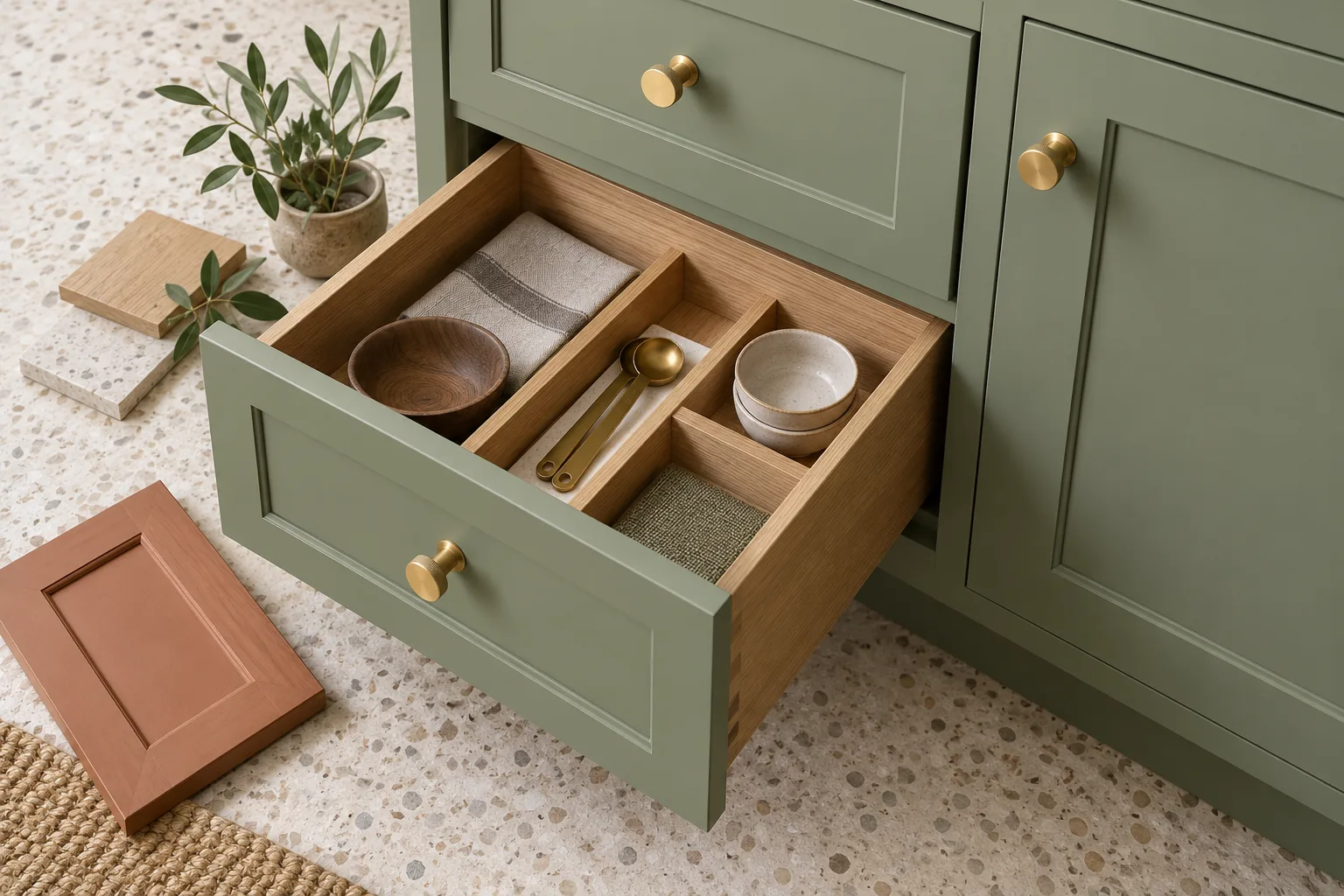
Illustrative product visualizations, not completed work, local properties or supplier facilities.
Questions
Coverage questions
Why do nearby communities have different reading guides?
The sources differ in scope: Wheaton includes future visioning, Takoma Park has a limited amendment boundary and White Oak uses a planning framework. The buying questions follow those limits instead of pretending every location has identical property conditions.
Does appearing on this hub establish seller service territory?
It establishes an editorial topic. Ask a proposed seller to accept the real address and requested scope. Planning sources and guide links do not establish inventory, fulfillment, scheduling or transport prices for the proposed order.
Which location facts belong in a first request?
Identify the actual community and project type, then provide enough receiving information for the question being asked. Supply precise destination details when needed by the respondent. Preserve the room schedule separately so geography never stands in for quantities.
Can a master plan answer building-access questions?
A plan supplies broad context. Obtain applicable property instructions from a responsible contact and confirm what the seller can accommodate. Proposed housing types and nearby landmarks do not show current access arrangements at an individual address.
Talk to us about your project
Describe the purchase and project ZIP in Silver Spring. Supplier acceptance and any referral are confirmed separately; no visit or quote is booked by this form.
Calls only, we do not receive text messages.