
RTA and Assembled Cabinet Buying in Silver Spring, MD
Compare assembly requirements alongside cabinet construction and order details.
Send my cabinet inquiry
Or call (562) 203-3232. Calls only, we do not receive text messages.
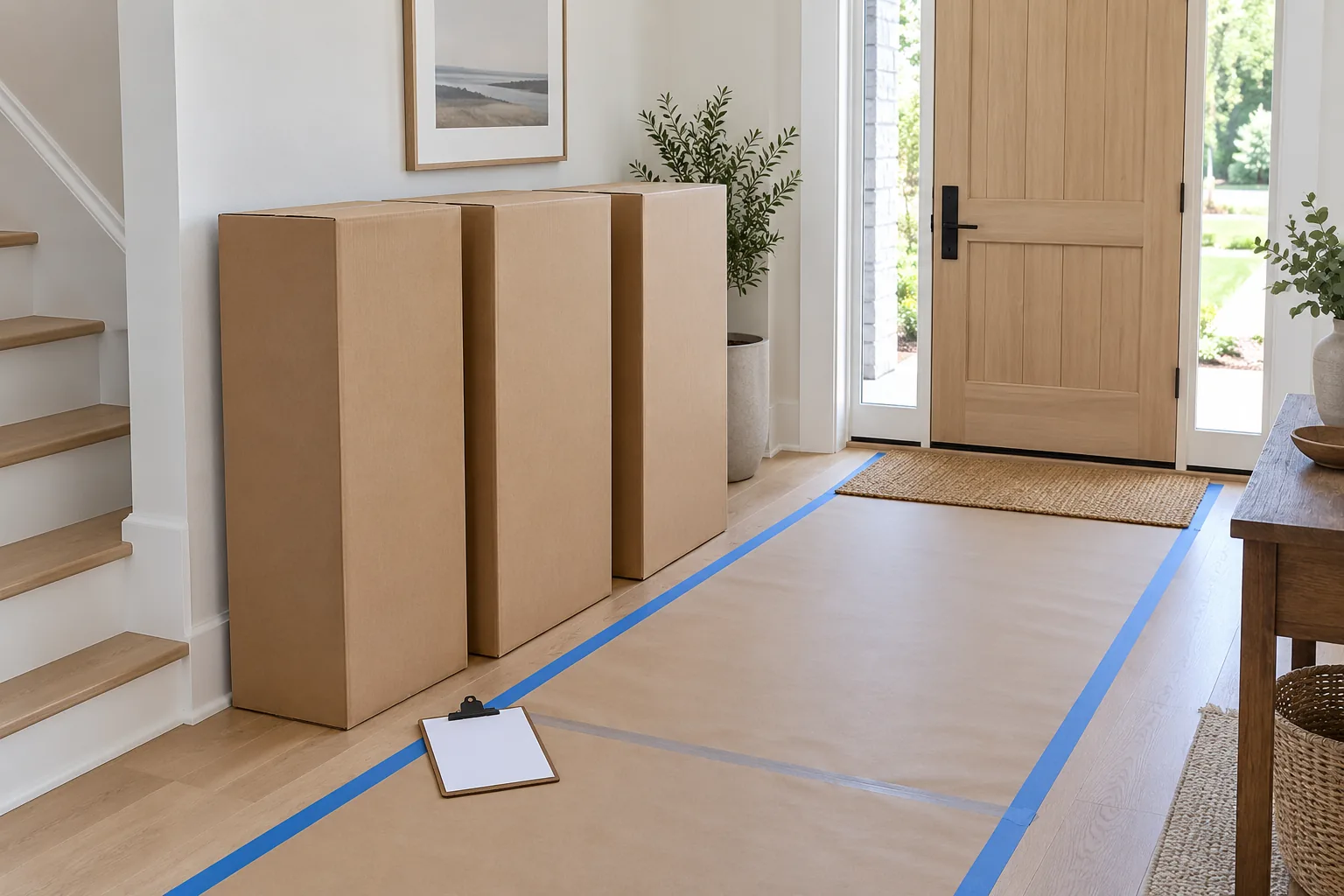
RTA and assembled cabinet buying in Silver Spring is a choice about work, packaging and project capacity. Silver Spring Cabinet Avenue approaches it through an assembly trial plan: identify what a specific product requires, test whether your project can provide it and compare the resulting responsibilities. Neither shipping format alone establishes the quality or practicality of a proposed cabinet line.
- Independent buying guidance
- Product inquiries
- Seller availability confirmed separately
Buying questions: rta and assembled cabinet buying
The discussion supports your own comparison with independently selected sellers. It does not include assembly, tools or installation. Questions sent through the site are recorded and reviewed by the owner; sharing them with another party depends on your permission and that party agreeing to accept the project, without securing labor or a response.
About Silver Spring Cabinet Avenue
Know who handles each part
Independent cabinet buying information and quote-request service. We do not manufacture, stock or install cabinets. A referral, supplier response, appointment or purchase is not guaranteed. Product availability, delivery and installation must be confirmed directly with the seller or separately engaged contractor.
Begin with the exact unit and its instructions
Ask for the assembly document for the cabinet actually being considered. A general video about another line may illustrate a task but cannot establish which parts, connectors or sequence your unit requires. Identify the model and configuration before discussing effort. If instructions are unavailable, keep assembly feasibility unresolved instead of substituting a generic guess.
The supplied IKEA kitchen buying information for Malaysia discusses packaging alongside the conditions affecting installation and delivery. It is product and service context for that market, not a Maryland offer. The sound buying inference is to request equivalent product-specific information from your proposed seller. Review whether drawers, doors or accessories require separate preparation and whether the supplied fasteners are identified. Ask who answers questions about incomplete components. A hypothetical household planning to assemble itself should know what support the seller actually provides rather than assume that purchasing cartons automatically includes someone available to troubleshoot the work.
Build a trial task before estimating the whole order
If the seller makes a representative unit available and its terms permit your intended use, consider whether evaluating that unit would answer practical questions. Do not assume a sample cabinet is free or returnable. Clarify purchase and return terms first. A trial is useful only when its product and configuration represent the order under consideration.
Record the workspace needed, instruction clarity, tool requirements and tasks you found difficult. Avoid multiplying an optimistic first impression across an entire kitchen. Drawer units, tall cabinets and accessories may involve different work. A hypothetical buyer comfortable assembling a small base still needs to assess other units separately. If someone else will assemble the products, give that party the exact schedule and instructions so it can describe its scope. The trial plan is an editorial decision tool, not a productivity guarantee or a claim that every buyer can assemble every product successfully within a predicted time.

Compare working space with storage space
Flat packaging and completed boxes have different space implications, but use actual carton information to assess them. Ask for package dimensions, counts and the seller’s handling requirements. Map where unopened cartons can be protected, where assembly would happen and where completed units would wait. A room that stores cartons may not provide adequate working space around a partially assembled cabinet.
For a hypothetical buyer staging in one spare room, draw the proposed arrangement before assuming the full order can fit. Consider whether assembling the earliest units would obstruct access to the remaining cartons. Another buyer choosing completed boxes should check the receiving route against their packaged dimensions. Do not infer either arrangement from Silver Spring geography. Your route and available space are individual project facts. Keep exits and necessary daily use in the planning conversation, and have the responsible parties confirm the arrangement rather than treating a packaging label as a complete storage solution.
Compare product evidence independently of format
A box arriving assembled and a box arriving in parts can differ in construction, hardware and finish. Record those specifications for the exact lines being proposed, instead of ranking quality by transport format. Request information about the drawer structure, supplied hinges and finish identity. If a feature matters to your intended use, ask how it is documented.
KCMA identifies a cabinet standard, ANSI/KCMA A161.1-2022, addressing construction and performance. Any certification claim should be supported for the particular offered line. Assembly instructions alone do not establish certification, and certification information alone does not define your assembly responsibilities. Keep those evidence categories distinct. A hypothetical comparison might favor one line for its hardware while favoring another for manageable package sizes. Record the tradeoff explicitly so the eventual decision reflects your priorities. This produces a more useful judgment than assuming the word assembled or RTA answers appearance, durability, work and logistics at once.
Compare the full format cost estimate
The format estimate should add product scope, freight, assembly responsibility and any confirmed storage arrangements. Ask a proposed assembler what its price covers: particular units, drawers, accessories and correction of incomplete or defective components may raise separate questions. Do not insert an assumed labor rate or treat your own time as a measured local market price.
These estimates are subject to change as instructions, quantities and responsibilities become clear. Obtain a written quote for the selected product schedule and separately confirm any labor agreement. FTC written-estimate guidance supports defining scope before comparison. For a hypothetical order, a lower carton price could be offset by separately purchased tools or hired assembly, while a completed-box offer might need different carrying arrangements. Neither result is established here. Show the known costs and unresolved items side by side; if an important row remains unanswered, state that the full comparison is incomplete rather than ranking the offers with artificial precision.
Make a release decision your project can carry
Create a format decision note containing the proposed line, assembly owner, workspace, receiving route, instruction source and open questions. Include why the chosen option fits your project capacity. If the decision depends on a trial, preserve what that trial actually demonstrated and which configurations were not assessed. This prevents a small successful task from being treated as proof for the entire order.
Confirm seller acceptance for the address and quantities, regardless of which format you prefer. Montgomery Planning places Silver Spring among East County communities, but that observation does not show supplier territory or package suitability. Keep a contingency question for incomplete or damaged parts and obtain the seller’s reporting procedure. When using this site’s inquiry form, identify the specific format question and your current evidence. Owner review is separate from any seller or assembler agreement. The final release should reflect commitments obtained from actual parties, not a presumed service created by reading the guide.
Inquiry process
From buying questions to a possible supplier quote
Sending an inquiry does not reserve products or book work.
Describe the purchase
Include project ZIP, room, approximate cabinet list and preferred timing.
Clarify requirements
Identify assembly, access, measurements and any separately arranged labor.
Confirm referral availability
An inquiry can be referred only if a suitable seller accepts the location and product request.
Review seller terms
Confirm the final drawing, itemized price, payment, delivery and return terms directly before ordering.
Illustrative product choices
Illustrative product visualizations, not completed work, local properties or supplier facilities.
Local buying information
Local inquiry guides
Questions
RTA and Assembled Cabinet Buying: Common Questions
Is an assembled cabinet always the higher-quality option?
The format describes preparation and packaging, not the entire construction specification. Compare the named lines and their documented materials, hardware and finish. Ask for evidence supporting any certification claim rather than attributing quality to the shipping label.
What can a trial assembly establish?
It can reveal your experience with a representative unit’s instructions, workspace and tools. It cannot establish a universal assembly duration or prove different configurations will be equally manageable. Confirm the trial’s purchase terms and record its limits.
Should flat cartons solve a difficult access route?
Use their actual dimensions to check the route. Flat packaging may change the question, but does not automatically prove access, carrying ability or safe storage. Compare both options against measured openings and the responsible receiver’s confirmed plan.
How do I include self-assembly in a comparison?
Record the tasks, required tools and your available capacity instead of assigning an invented local wage. If hiring assembly, obtain scope and price from that party. Keep unanswered assembly costs visible until the responsibility is actually confirmed.
Talk to us about rta and assembled cabinet buying
Describe the purchase and project ZIP in Silver Spring. Supplier acceptance and any referral are confirmed separately; no visit or quote is booked by this form.
Calls only, we do not receive text messages.