
Cabinet Delivery and Pickup Planning in Silver Spring, MD
List delivery access and order questions to confirm directly with the seller.
Send my cabinet inquiry
Or call (562) 203-3232. Calls only, we do not receive text messages.
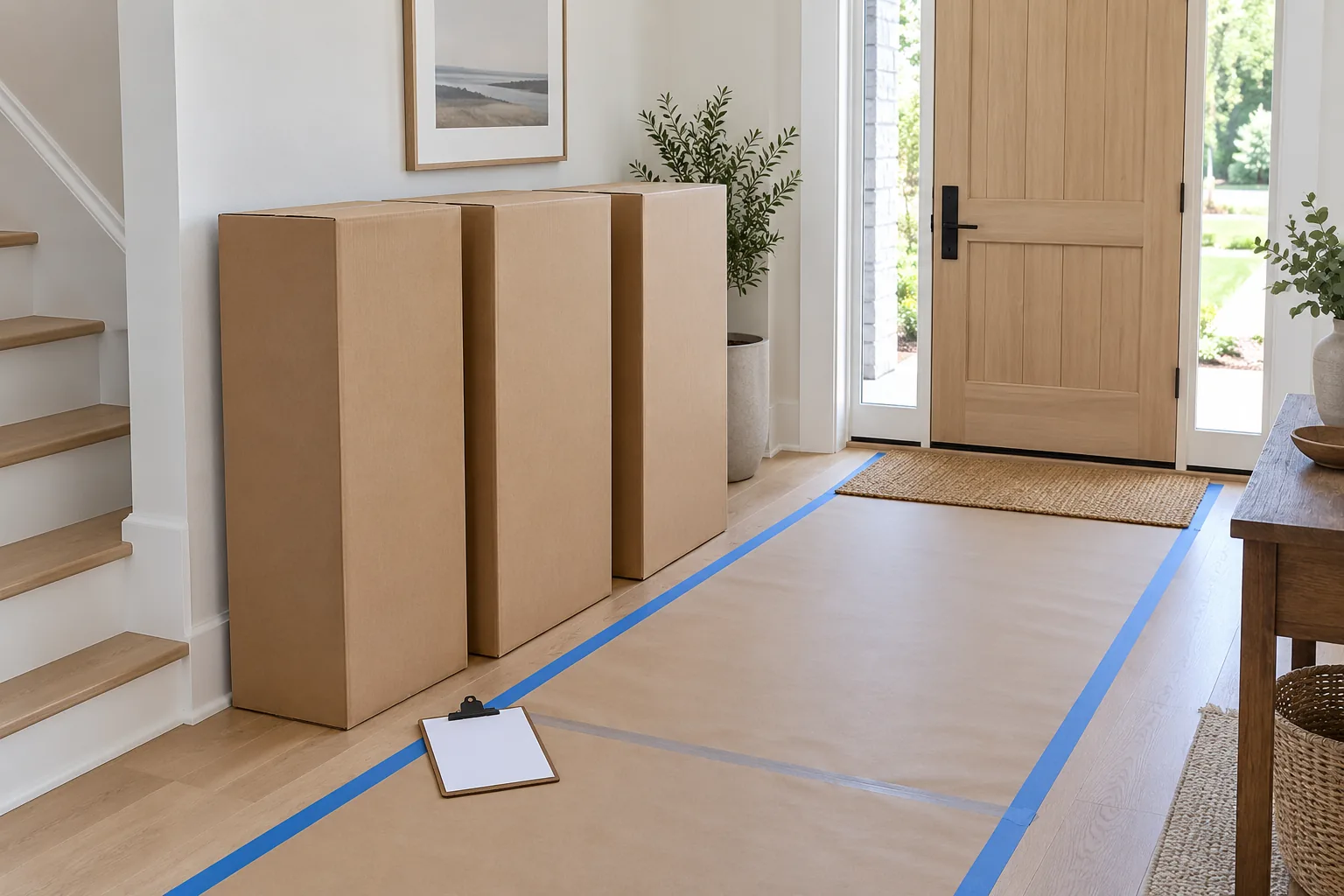
Cabinet delivery and pickup planning in Silver Spring should describe the journey from a seller’s handoff to protected storage. Silver Spring Cabinet Avenue uses a route card to make the receiving work visible before ordering. A line saying delivery is incomplete until the proposed seller defines its stopping point and you know who handles the remaining distance.
- Independent buying guidance
- Product inquiries
- Seller availability confirmed separately
Buying questions: cabinet delivery and pickup planning
This guide helps prepare questions and documents for your own transport arrangement. It does not book a carrier or supply unloading labor. Inquiries reach the site owner for recording and review; sharing with a possible outside recipient requires permission and that recipient’s acceptance of the project. An inquiry alone establishes no route, appointment or fulfillment agreement.
About Silver Spring Cabinet Avenue
Know who handles each part
Independent cabinet buying information and quote-request service. We do not manufacture, stock or install cabinets. A referral, supplier response, appointment or purchase is not guaranteed. Product availability, delivery and installation must be confirmed directly with the seller or separately engaged contractor.
Draw the handoff before discussing a date
Ask where the quoted transport service ends. Possible descriptions include curbside, a threshold or a specifically agreed placement, but do not assume any one is standard. Put the seller’s actual description on the route card and mark what remains outside it. Identify whether unloading, carrying or placement needs another responsible person.
For a hypothetical buyer wanting cartons inside a room, an offer ending outside the building leaves a material task unanswered. A date cannot solve that scope gap. Request an explanation before aligning the order with other project work. If pickup is proposed instead, document the collection point and ask which loading assistance, if any, is included. The article does not promise assistance in either case. Keep the handoff description attached to the dated proposal, so a later conversation about delivery timing does not silently replace the agreed scope with a broader expectation neither party accepted.
Obtain carton data before testing the route
Ask for package dimensions and counts for the actual selected items. The external size of a cabinet is not necessarily its packaged size, and a product listing alone may not show the shipping arrangement. Identify any units with different dimensions so one small carton is not used to represent the entire order.
Walk the planned route from handoff to storage and record measured openings, turns, stairs or other applicable features. If an elevator is involved at your real address, obtain the information needed from the responsible property contact. Do not insert an elevator assumption into every Silver Spring project. A hypothetical route sketch can show where a tall packaged unit needs particular attention, but fit must be checked against actual measurements. The supplied IKEA buying information supports considering delivery conditions; its Malaysian service context is not a Maryland offer. Use it as a prompt to request relevant information, not as a local handling standard.

Assign the receiver and the remaining movement
Name the person who will receive the order and what that person is expected to do. Receiving documents, checking identifiers and moving cartons are different tasks. Confirm who has agreed to each, including any outside carrying arrangement. A person available to meet a vehicle is not automatically able or authorized to carry every item into storage.
Keep phone contact and instructions consistent with the actual arrangement, without distributing unnecessary personal information in exploratory inquiries. In a hypothetical shared project, one person could sign receiving documents while another coordinates storage. Make that division explicit. Ask the seller how changes to the receiver or destination should be communicated, and preserve its answer. This route card is a coordination tool rather than a safety assessment or labor offer. Its benefit is to expose unattended tasks before arrival and allow the responsible parties to confirm what they can do under the actual agreed scope.
Protect the storage interval between arrival and use
Identify the intended storage location and when it will be available. Ask for applicable product-handling and storage information from the seller or manufacturer. Do not invent a universal temperature, stacking method or permitted exposure period. Different products and packaging may require different treatment, and the responsible receiver needs instructions for the actual order.
A hypothetical buyer receiving products before the room is ready should consider whether stored cartons interfere with the route needed for later deliveries. Map the storage sequence rather than assuming an empty room stays empty. If outside storage is proposed, ask who provides it, what it costs and who controls release. Do not treat storage as part of freight unless the written terms say so. Record unresolved arrangements on the route card and discuss them before order commitment. An estimated product arrival and a desired installation date are separate pieces of information; the space between them needs a confirmed plan.

Compare the route-specific cost estimate
For this delivery estimate, keep freight, unloading, carrying, pickup transport and storage distinct whenever they have separate owners or terms. Ask the proposed seller which tasks its charge covers, then seek any remaining charges from the people responsible. Do not turn an unanswered carrying question into a zero merely to create a total.
Amounts based on an unfinished route are subject to change. Confirm the chosen handoff, destination and excluded tasks in a written quote before relying on the budget. FTC estimate guidance supports clear scope and price comparisons; it establishes no Silver Spring transport rate. A hypothetical pickup option could shift expenses to vehicle use and personal handling, while a delivery option could leave separate in-building carrying. Compare actual commitments rather than generic labels. If the packaging choice changes, revisit the estimate because the receiver’s arrangement may also change. Date the route card so its cost assumptions match the specific product schedule being evaluated.
Write down the seller’s discrepancy procedure
Before receiving, ask how missing, damaged or incorrect items should be documented and reported. Record the seller’s actual deadlines, required evidence and contact route. This guide cannot supply a universal reporting period or guarantee a remedy. Give the receiver the approved item list and the applicable instructions rather than expecting them to reconstruct the order at arrival.
Keep receiving notes connected to product and carton identifiers where available. Document uncertainties under the seller’s procedure instead of improvising an assumption about acceptance. Montgomery Planning includes Silver Spring in East County, but that public geography does not establish delivery coverage or the conditions at your address. Obtain acceptance separately. If using this site’s inquiry form, describe the unresolved route question for owner review; possible outside sharing still requires consent and an accepting recipient. A completed route card should show actual answers and remaining gaps, not convert an information request into a booked receiving service.
Inquiry process
From buying questions to a possible supplier quote
Sending an inquiry does not reserve products or book work.
Describe the purchase
Include project ZIP, room, approximate cabinet list and preferred timing.
Clarify requirements
Identify assembly, access, measurements and any separately arranged labor.
Confirm referral availability
An inquiry can be referred only if a suitable seller accepts the location and product request.
Review seller terms
Confirm the final drawing, itemized price, payment, delivery and return terms directly before ordering.
Illustrative product choices
Illustrative product visualizations, not completed work, local properties or supplier facilities.
Local buying information
Local inquiry guides
Questions
Cabinet Delivery and Pickup Planning: Common Questions
What does a quoted delivery line establish?
Only the scope the seller actually defines. Ask where handoff occurs and whether unloading, carrying or placement is included. Attach that definition to the proposal so you can distinguish agreed tasks from movement that still needs another arrangement.
What changes when I choose pickup?
You need to resolve collection, loading, suitable transport and the destination route. Confirm the seller’s pickup process and inspection terms. The label shifts questions to your side without proving that a vehicle, helpers or packaging protection are available.
Should I check every package against the access route?
Obtain information for the actual order, paying particular attention to larger or differently shaped units. A small sample carton cannot establish that the remaining units fit. Use measured route details and ask responsible contacts about unresolved constraints.
Is there a standard damage-reporting deadline here?
No deadline is established by this article. Obtain the proposed seller’s written reporting procedure and give it to the receiver. Preserve identifiers and evidence as instructed, and avoid assuming another company’s policy applies to the purchase.
Talk to us about cabinet delivery and pickup planning
Describe the purchase and project ZIP in Silver Spring. Supplier acceptance and any referral are confirmed separately; no visit or quote is booked by this form.
Calls only, we do not receive text messages.